

PODIUM
A deeper dive into issues that young Australians should be across. Your voices, opinions, thoughts, and analysis. Big issues, as told by you.

WE ARE FAILING OUR WOMEN: THE GENDER PAY GAP AND AUSTRALIA'S LONG PATH TO A "FAIR GO"
This piece by Isabelle Milic examines the structural inequalities underpinning the gender pay gap in contemporary Australia. It identifies the key cultural, social, and economic mechanisms that sustain workforce inequality, highlighting early gender conditioning, the undervaluation of female-dominated industries, and barriers to career progression. It ultimately calls for both systemic reform and a broader cultural shift in narrative.
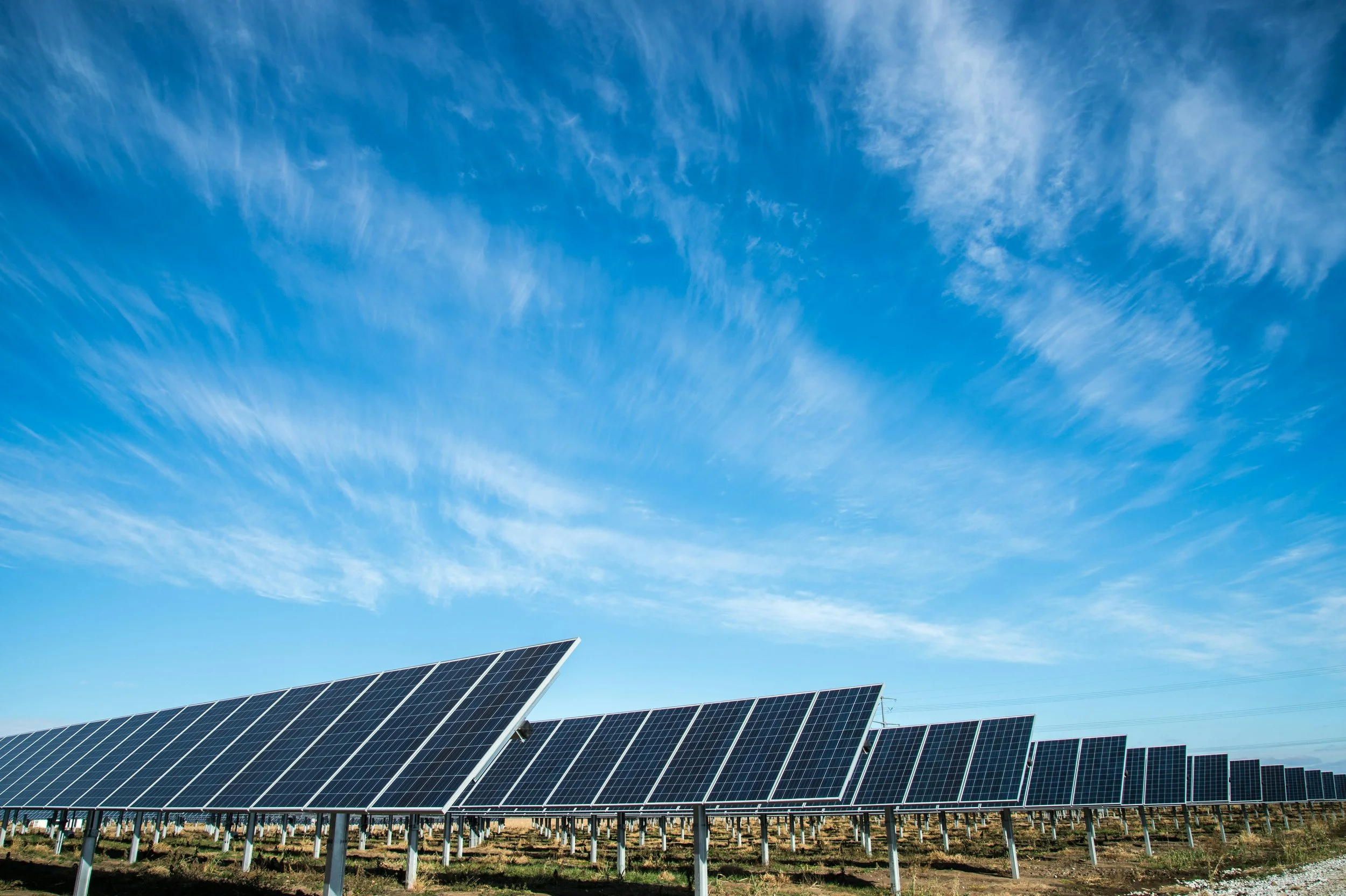
PROGRESS OVER PERFECTION: THE TENSIONS IN AMBITIOUS ENERGY TARGETS, A SOUTH AUSTRALIAN CASE STUDY
In this week’s Global Shapers Community feature, Michelle Howie explores the tension between ambition and realism in the energy transition, using South Australia’s renewable electricity target as a case study. Writing as both an energy professional and emerging leader, she reflects on how bold targets can inspire progress while risking disillusionment if not matched with clear delivery pathways.
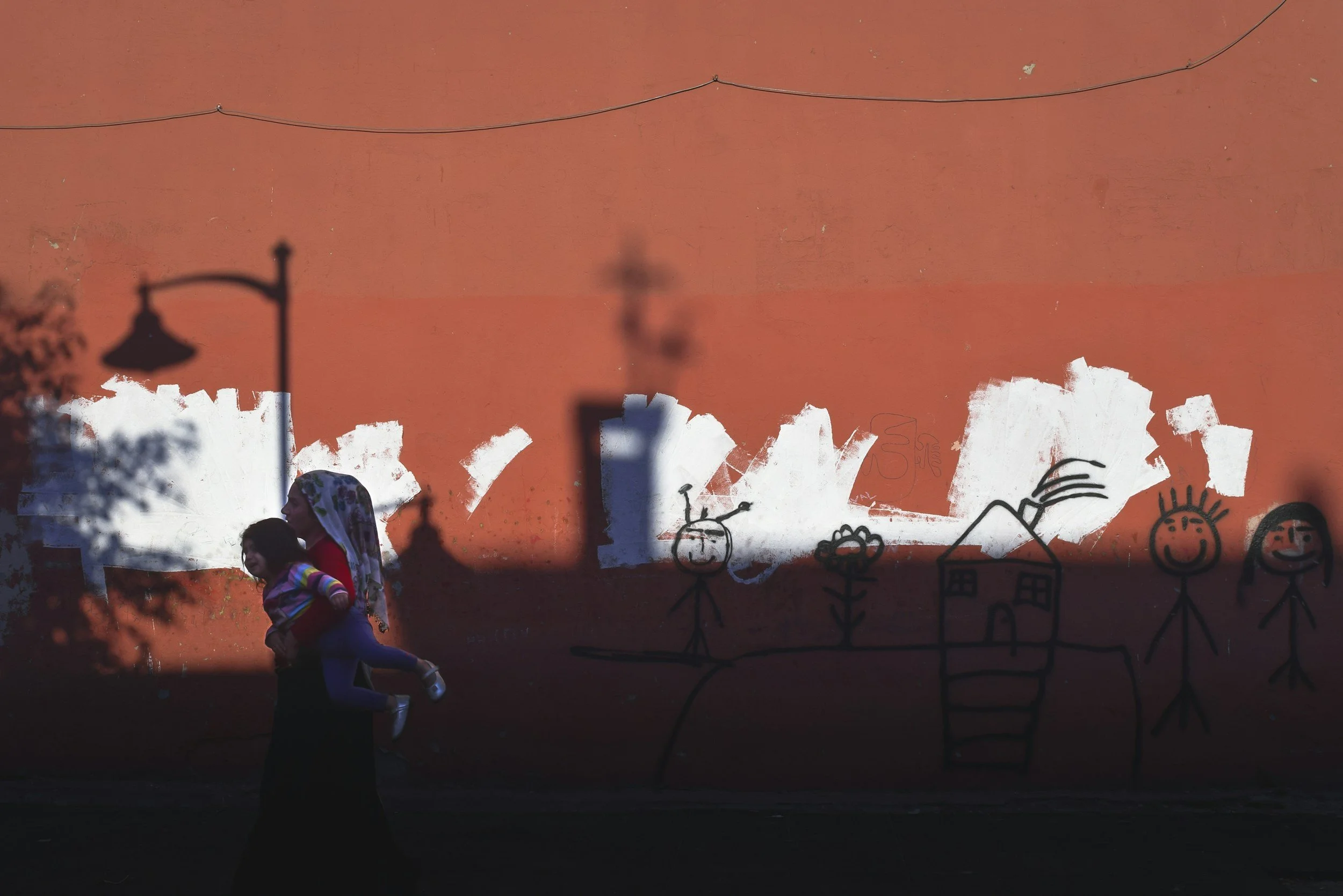
TRUTH UNDER THREAT: WHY THE RIGHT TO KNOW MATTERS MORE THAN EVER
This International Day for the Right to the Truth concerning Gross Human Rights Violations and for the Dignity of Victims, Suhani Sharma interrogates the fragile nature of truth in contemporary society, challenging the assumption that it is neutral or universally accessible. In an environment increasingly shaped by misinformation, political influence, and contested narratives, the article argues that truth is not merely discovered but constructed - and often suppressed. By examining the relationship between truth, power, and justice, Sharma highlights the critical role that access to truth plays in recognising victims, preserving historical memory, and preventing the repetition of human rights abuses.

HARMONY, SILENCE AND THE TALL POPPY PROBLEM
“Real harmony is not the absence of tension. It is what emerges when societies are willing to engage honestly with difficult questions about fairness, dignity and belonging.” For the International Day for the Elimination of Racial Discrimination, Gisele Ishimwe, PHD candidate at the Western Sydney University, writes on behalf of the African Australian Advocacy Centre on what happens when racism is named and the conversation shifts from the issue, to those who’ve spoken up.

THE ANTI-HERZOG PROTESTS SHOW WHY AUSTRALIA MUST CONFRONT ISLAMOPHOBIA NOW.
This piece by Afeeya Akhand, an emerging associate at the ANU National Security College, reflects on the rising tide of Islamophobia in Australia and the challenges it poses to social cohesion. Written on the International Day to Combat Islamophobia during the holy month of Ramadan, the article examines the fallout from the recent anti-Herzog protests in Sydney and the broader climate of suspicion and hostility facing Muslim-Australian communities. From the policing of protest to the role of political rhetoric and institutional responses, it argues that safeguarding fundamental freedoms and addressing anti-Muslim hatred must be central to Australia’s commitment to a cohesive and democratic society.

ON ‘BALANCING THE SCALES:’ THE PERSEPHONE NETWORK
This International Women’s Day piece by Asha Clementi and Brianna Delahunty, Co-founders of The Persephone Network, comes as the world gathers for the 70th session of the United Nations Commission on the Status of Women. Global leaders will again debate what justice for women and girls should look like. But justice cannot be built in rooms where those most affected are missing. From barriers to participation in international forums to the exclusion of youth voices in policymaking, the systems meant to advance gender equality remain deeply unbalanced. If we are serious about “balancing the scales,” we must ask who is allowed to hold them.

FROM CLIMATE ANXIETY TO ECONOMIC OPPORTUNITY: AUSTRALIA’S RENEWABLE SUPERPOWER BET
In a time of exasperating climate anxiety and economic uncertainty, Australia is uniquely positioned to become a renewable energy superpower while accelerating global decarbonisation. For Baethan Mullen, CEO of The Superpower Institute, Australia’s transition relies on using clean energy to manufacture green goods instead of simply exporting raw resources. In this interview, Zach Greening sits down with Mullen to discuss Australia’s role in shaping what comes next.
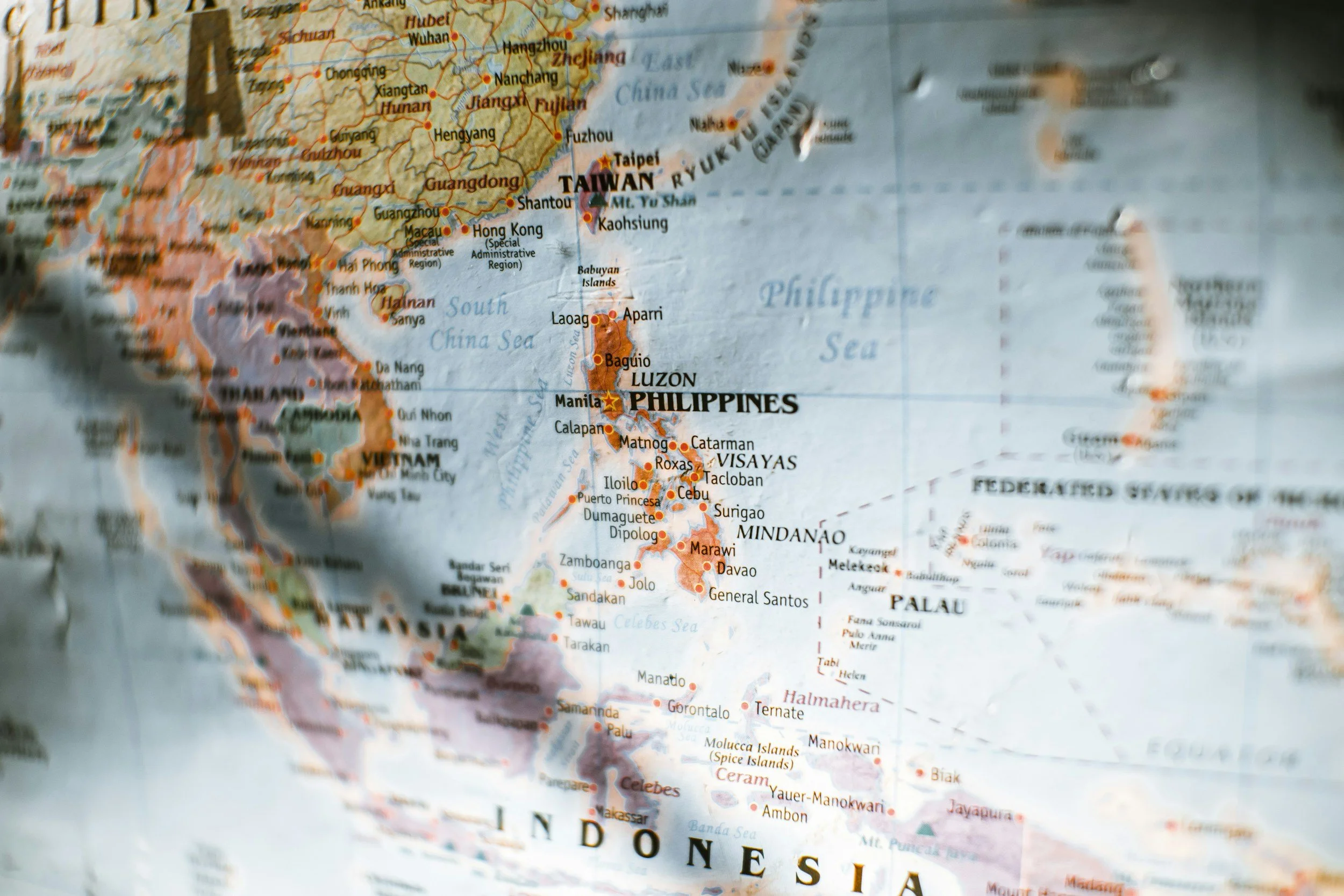
ASIA IS RISING. AUSTRALIA’S ASIA CAPABILITY IS NOT.
For International Mother Language Day, Hannah Heewon Seo reflects on a quiet but consequential trend: as Asia’s economic and strategic influence accelerates, Australia’s capacity to understand the region is moving in the opposite direction. Drawing on her experience growing up in South Korea and building a bilingual career in Australia, Seo argues that declining Asian language enrolments signal more than an education gap—they reveal a national complacency toward the very region that will shape Australia’s future prosperity and security.

AUSTRALIA IS BURNING ITS FUTURE — YOUNG PEOPLE
Gideon MacGowan
Across Australia, young people are delaying independence, returning to childhood bedrooms, and working harder than ever for less security than the generations before them. Beneath the rhetoric of fairness and opportunity lies a quieter truth: the foundations that once supported young Australians are eroding. What we are witnessing is not generational weakness, but structural abandonment.

YOU’RE NOT LAZY. YOU’RE BEING FARMED.
Lewis Bradbury writes: What looks like apathy or generational softness is better understood as cognitive exhaustion. Young Australians face housing stress, insecure work, and climate anxiety with depleted attention and dysregulated reward systems. Platforms built to monetise engagement extract cognitive capacity before it can be spent on deep work, collective action, or political participation, turning a structural design choice into a personal burden.

TAXING SMARTER: WHY A LAND VALUE TAX BEATS INCOME TAXES AND GST
Frank Xiao is a Bachelor of Commerce student at the University of Melbourne, with a long-standing interest in politics and economics that began during his secondary schooling in New Zealand. In this piece, Frank draws on economic theory and real-world evidence to argue that replacing income taxes and the GST with a land value tax could improve housing affordability and boost economic growth, all the while being fairer than the present tax system.
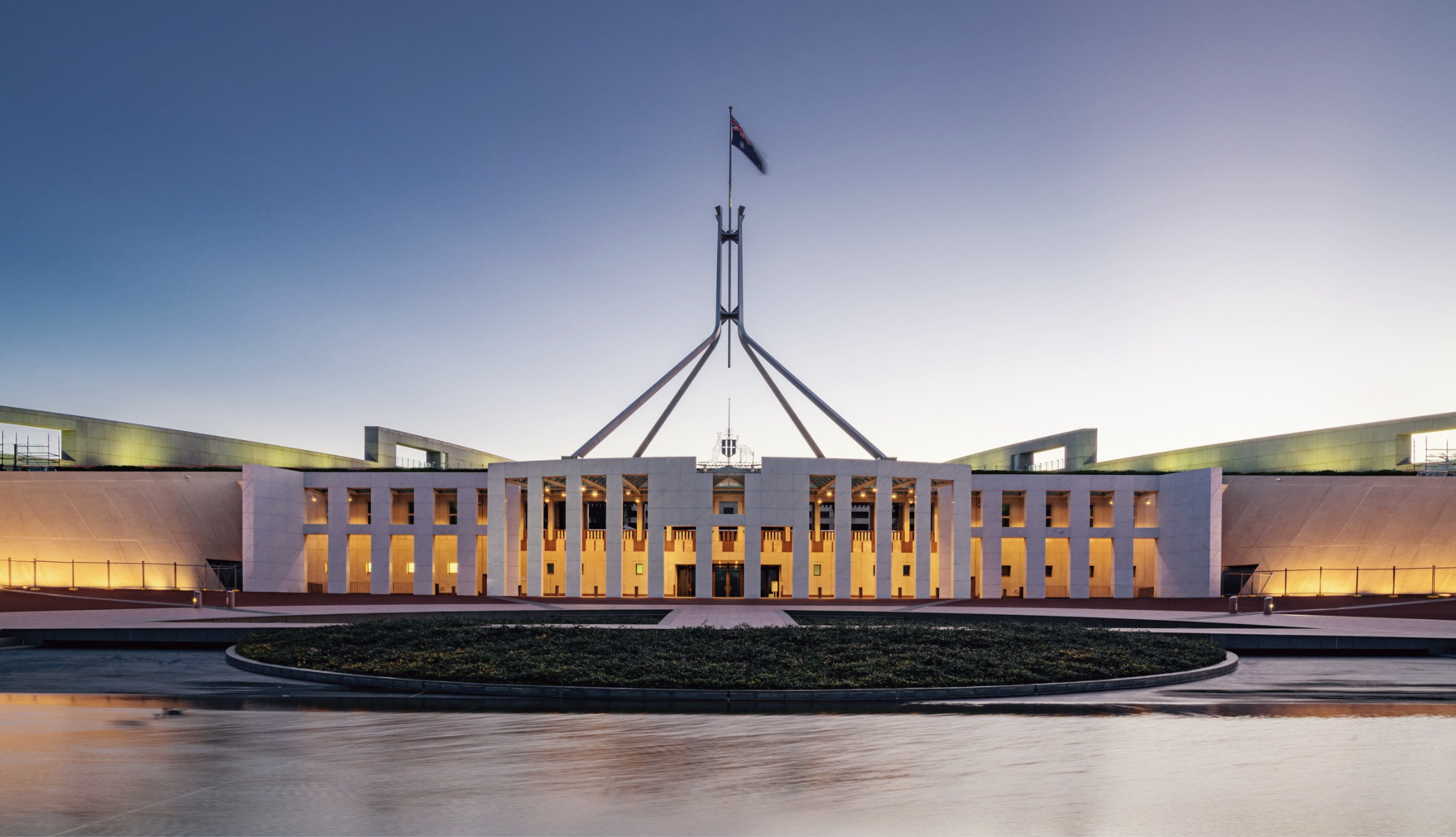
FROM THE ASHES: THE LIBERAL PARTY OF AUSTRALIA WILL STRUGGLE TO EVER FORM GOVERNMENT AGAIN. HERE’S WHAT COMES NEXT.
Is the Liberal Party facing an existential crisis — and does Australia now lack a credible opposition? In this essay, McCarthy Hanlin and Eliza Chaney argue the political right might be caught in a dangerous death spiral, increasingly toxic to voters and especially young Australians, with profound consequences for democratic accountability. If the Liberals cannot reform or be reborn, the case is made that Australia urgently needs a new, serious centre-right alternative to hold government to account and contest the future of the country.

DESPITE WHAT THE ‘DATA’ SAYS, THE ECONOMY ISN’T PERFORMING WELL. TOO MANY PEOPLE ARE BEING LEFT BEHIND.
Despite what the “data” says, Australia’s economy isn’t working for everyone. In this piece, Thomas Walker and the Think Forward contributors argue that headline indicators like GDP growth, low unemployment and easing inflation disguise a growing K-shaped economy, where asset-owning, older Australians surge ahead while younger and lower-wealth households fall behind. They unpack how rising inequality, housing and student debt, and blunt policy tools like interest rate hikes are eroding economic mobility and make the case for reforms that tax wealth more fairly and invest in younger generations to build a stronger, more inclusive economy.

SKILLS SHORTAGES ARE UNDERMINING AUSTRALIA’S ENERGY TRANSITION
Australia’s clean energy transition is accelerating, but a critical bottleneck threatens to derail progress: a severe and growing shortage of skilled workers across the trades needed to build, connect and maintain renewable energy infrastructure. In this piece, Ray Newland, Founder of the Youth Climate Policy Centre and an Economics student at Macquarie University, draws on his experience working in policy for the Electrical Trades Union to explore why workforce reform, rather than funding alone, must sit at the centre of Australia’s decarbonisation strategy.

BEYOND THE BORDER: SCOPE 3 EMISSIONS AND THE FUTURE OF AUSTRALIA’S CLIMATE STRATEGY
Australia’s climate governance is built on a territorial map. Emissions are counted where they occur. Polluters are regulated where they operate. Responsibility ends at the national border. But the next phase of decarbonisation won’t be won by regulating what happens on-site alone. Scope 3 emissions reveal where Australia’s real footprint, and leverage, sits across global value chains. With carbon now embedded in markets, reporting standards, and trade rules, a Scope 3 strategy is no longer optional.

CIVIC LITERACY IN AUSTRALIA: RETHINKING CURRICULUM AND RECLAIMING ENGAGEMENT
Hugo Silbert, Director of Youth Engagement at Future Forward Australia and a Politics, Philosophy, and Economics student at The University of Western Australia, draws on his experience across local and federal politics to examine a pressing challenge: civic disengagement. This article explores the roots of Australia’s civic illiteracy, questioning whether it stems from student apathy; shortcomings in curriculum; or deeper fractures in our social fabric.

CLIMATE INACTION IS KILLING AUSTRALIA; HOW DO WE TALK ABOUT IT?
India Aniere is a Masters of Environment student at the University of Melbourne. In this piece, Indiareflects on how government inaction on climate policy fuels young people’s despair and argues that reframing climate activism around economic impacts may be key to mobilising collective action.

INDIFFERENCE THROUGH INDIVIDUALISM: HOW NEOLIBERALISM PREVENTS THE COLLECTIVE ACTION NECESSARY TO COMBAT CLIMATE CHANGE (AND WHAT WE CAN DO TO FIX IT)
India Aniere is a Masters of Environment student at the University of Melbourne. This piece explores how neoliberalism has isolated our communities, and how we can combat this curated loneliness to tackle global issues such as climate change, as a collective force.

GREENING THE FUEL TAX CREDIT SCHEME FOR A FUTURE-READY AUSTRALIA
Successfully decarbonising Australia’s mining industry is central to our transition to green energy whilst ensuring sustainable national economic growth and prosperity. Mining is a major economic driver contributing 14% of Gross Domestic Product (GDP), however it is also one of the nation’s largest carbon emitters, generating around 80% of Australia’s total scope 1 carbon emissions, primarily due to its reliance on diesel-powered equipment. Eliza Chaney explores the different policy options for necessary reform to the Fuel Tax Credit Scheme - a major disincentive for decarbonisation of mining.
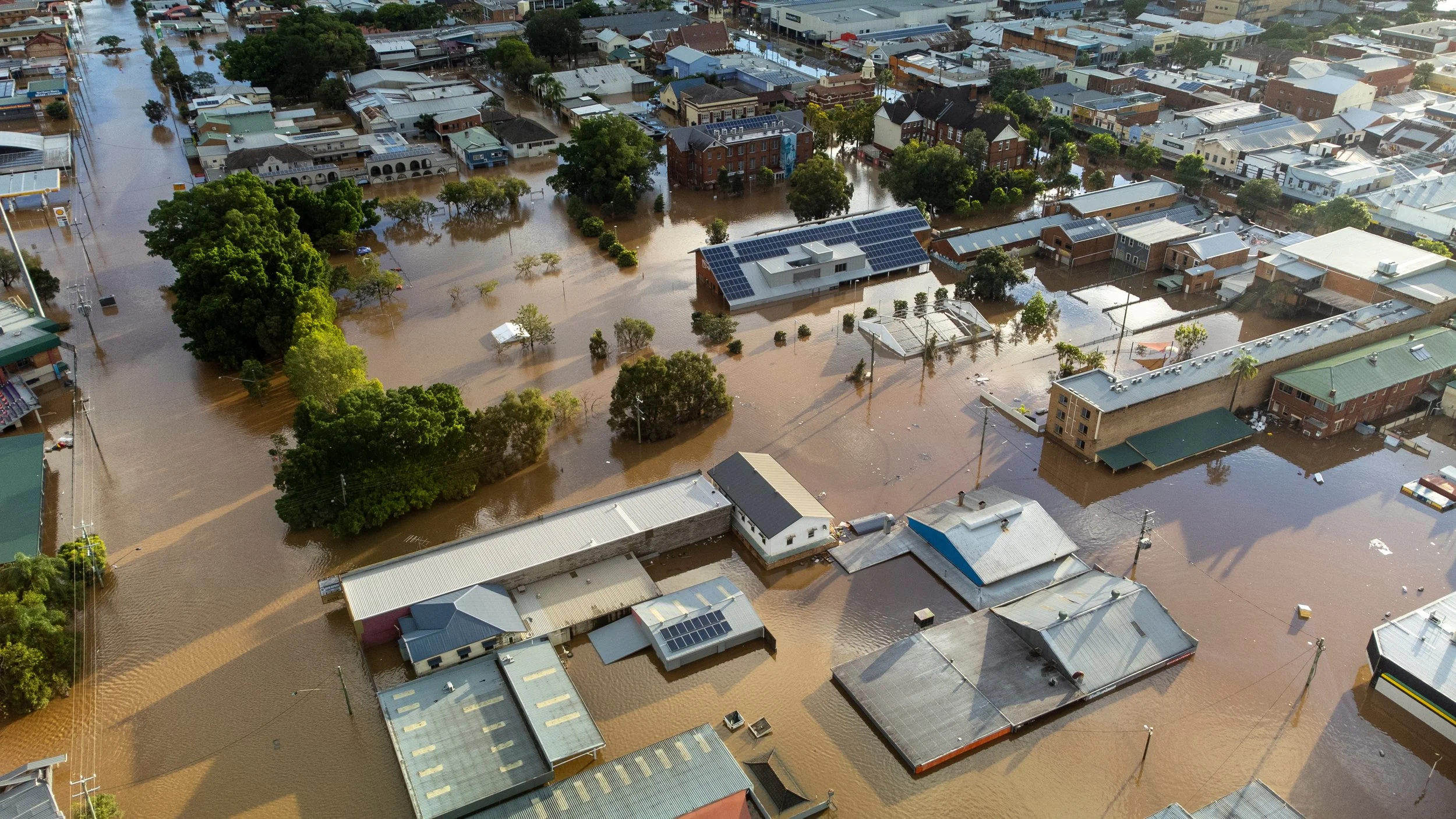
FROM CLEANUP TO CREATION: THE CLIMATE RESILIENCE DIVIDEND
Australia’s disaster response model is stuck on repeat: wait, react, rebuild. As climate shocks escalate and vulnerable communities bear the brunt, it’s clear we need more than sandbags and sympathy. Zach Greening calls for a policy shift toward transformative resilience, a proactive approach to climate risk that redesigns systems, reduces losses, and secures the future of hazard-prone regions. From improved land management to risk-smart infrastructure, transformative resilience shows how forward investment can cut costs, spark innovation, and restore hope and agency. The resilience dividend is real, so what’s stopping us from seizing it?
Image credit: Cloudcatcher Media